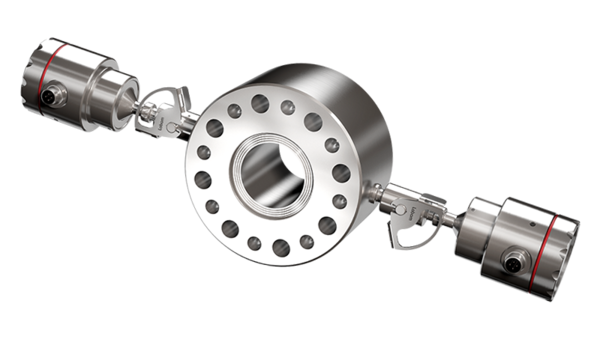
Types of diaphragm seals
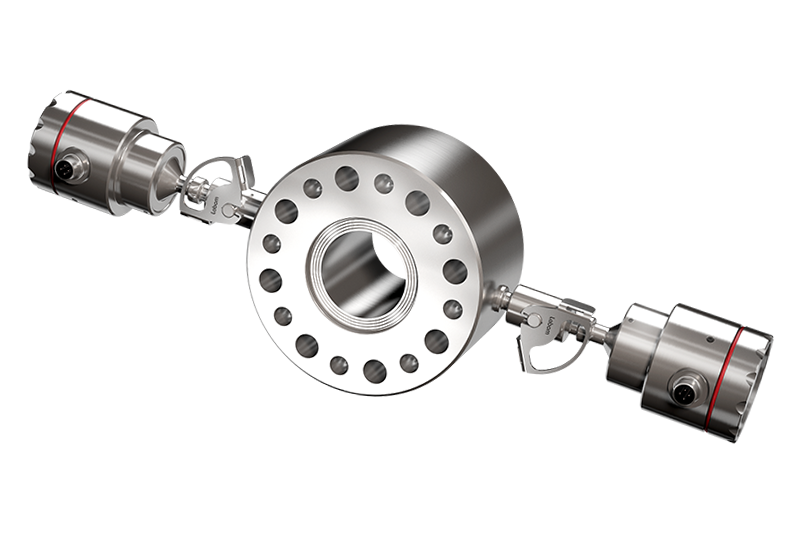
Inline diaphragm seal
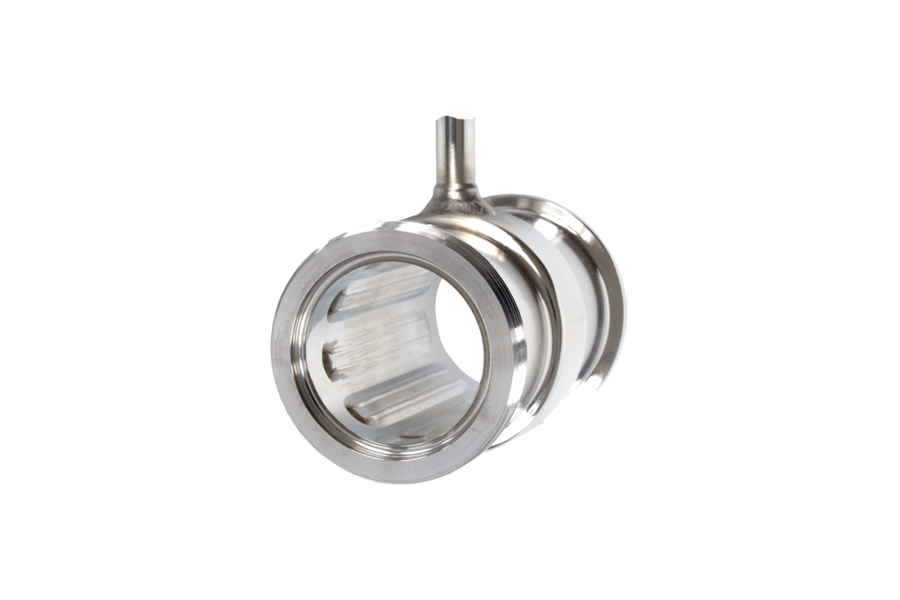
In tubular diaphragm seals, a cylindrical diaphragm is welded into a section of tubing. This eliminates any turbulence, flow obstructions, dead spaces and other hygiene risks. It should be noted, however, that the temperature error may be greater than with flat-diaphragm pressure transmitters. Inline diaphragm seals are available with all standard pipe connections.
Particular strengths
Easy to clean and self-draining. This makes it particularly suitable for applications requiring a dead-space-free design, frequent changes of fluid, and viscous media.
Highlights
- Stainless steel body and flush mounted diaphragm
- Special materials such as tantalum, titanium, Hastelloy, high-vacuum-resistant PTFE liners, etc.
- Very low temperature influence
- System fillings for various applications
- Various device connections available
Flat diaphragm seal
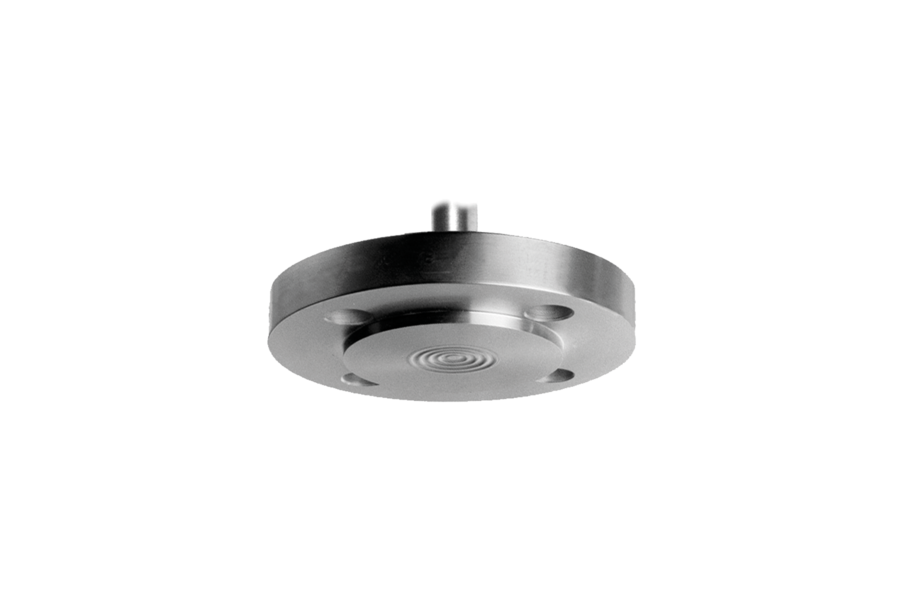
In flat pressure transmitters, the diaphragm lies in a single plane and is usually circular. This gives the diaphragm good spring characteristics, making the pressure transmitter less sensitive to temperature fluctuations. Furthermore, they are relatively simple to manufacture. Flat diaphragm seals are available with a wide range of connection options.
Particular Strengths
Applications requiring high accuracy or low pressures, as the flat diaphragm design offers good spring characteristics. A wide range of mounting options. Can be easily removed for cleaning or calibration.
Highlights
- Hygienic designs with guaranteed surface roughness
- Volume-optimised membrane bed
- EHEDG-certified designs
- System packings for various applications
- Various instrument connections available
Matching Products
Related articles

Outstanding innovation, 2nd place!

Diaphragm seal testing device: Testing diaphragm seals without opening the process
Modular system of diphragm seals